

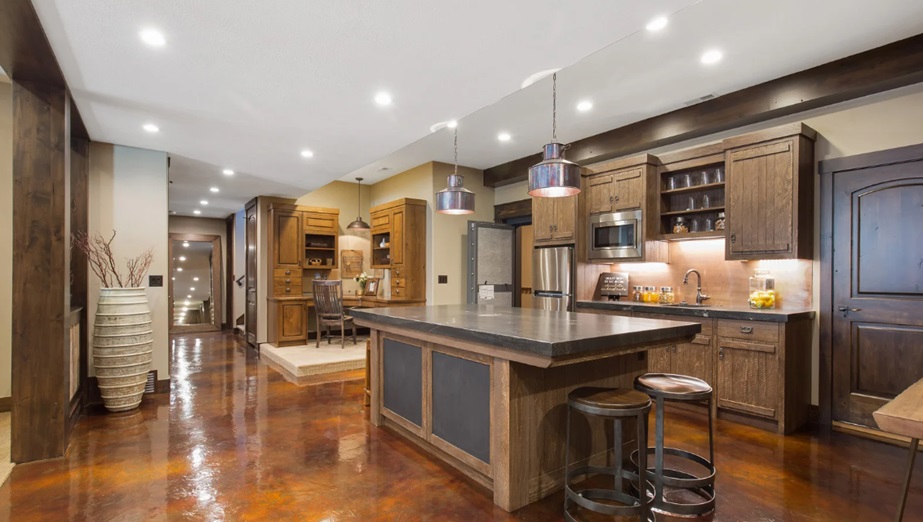
A finished basement adds valuable living space to a home, but without proper planning, it can lead to higher energy consumption. Choosing basement finishing in Cumming helps homeowners create a functional space while improving energy efficiency. By incorporating sustainable materials, enhancing insulation, and using energy-efficient lighting and climate control solutions, a basement can become an eco-friendly and cost-effective extension of the home.
Choosing Sustainable Materials for an Eco-Friendly Basement
The materials used in basement finishing play a significant role in both aesthetics and energy efficiency. A few sustainable choices include:
- Recycled Insulation: Cellulose insulation, made from recycled paper, offers excellent thermal resistance and reduces energy waste.
- Low-VOC Paints: These paints minimize harmful emissions, improving indoor air quality.
- Reclaimed Wood: Ideal for flooring and walls, reclaimed wood reduces environmental impact while adding warmth and character.
Using sustainable materials ensures long-lasting durability while keeping the basement environmentally friendly.
Maximizing Energy Savings with Proper Insulation
Insulation is key to maintaining a comfortable temperature and preventing energy loss in a basement. To improve efficiency:
- Use Spray Foam or Rigid Foam Insulation: These options effectively seal gaps and prevent heat loss.
- Seal Air Leaks: Small openings around windows, doors, and foundation walls can cause energy waste. Sealing them with caulk or weatherstripping keeps temperatures stable.
- Consider Insulated Flooring: Adding carpet with a thick underlay or installing insulated subfloor panels helps retain warmth.
A well-insulated basement reduces reliance on heating and cooling systems, leading to lower utility bills.
Improving Lighting Efficiency
Basements often lack natural light, making efficient lighting essential. Consider these solutions:
- LED Bulbs: These use significantly less energy than traditional bulbs and last longer.
- Larger Windows or Solar Tubes: Expanding basement windows or installing solar tubes allows more natural light to enter, reducing the need for artificial lighting.
- Dimmers and Motion Sensors: These features help optimize lighting use, conserving energy when full brightness isn’t needed.
Strategically combining natural and artificial lighting creates a brighter space while lowering energy consumption.
Efficient Heating and Cooling for Year-Round Comfort
Regulating basement temperatures efficiently can prevent excessive energy use. Some sustainable climate control options include:
- Mini-Split Heat Pumps: These systems heat and cool specific areas without wasting energy.
- Radiant Floor Heating: A more energy-efficient alternative to forced-air systems, radiant floors provide even, comfortable warmth.
- Energy-Efficient Dehumidifiers: Maintaining the right humidity level prevents mold growth while using minimal electricity.
Choosing energy-conscious heating and cooling solutions ensures a comfortable basement without increasing energy bills.
Transforming a Finished Basement into a Functional Space
A well-designed basement offers versatility while contributing to overall home efficiency. Many homeowners are using their finished basements as home offices, benefiting from increased privacy and reduced distractions. There are several benefits of creating a home office in your finished basement, from better focus to maximizing available space. By incorporating energy-efficient design elements like LED lighting, smart climate control, and ergonomic furniture, homeowners can create a workspace that is both productive and sustainable.
Conclusion
Improving insulation, lighting, and ventilation in a finished basement has lasting effects on both energy savings and home sustainability. A well-designed space can reduce overall energy consumption while enhancing comfort and functionality. Smart upgrades, such as improving insulation and ventilation, have been shown to significantly enhance home energy efficiency. Homeowners who focus on these elements when finishing their basements can experience noticeable reductions in utility costs and long-term energy savings, as seen in studies on how basement finishing improves home energy efficiency.
By integrating smart insulation, lighting, and climate solutions, a basement can become an efficient and eco-friendly extension of the home, offering both immediate and long-term advantages. Sustainable choices not only improve comfort and reduce costs but also contribute to a greener future for homeowners and the environment alike.
