

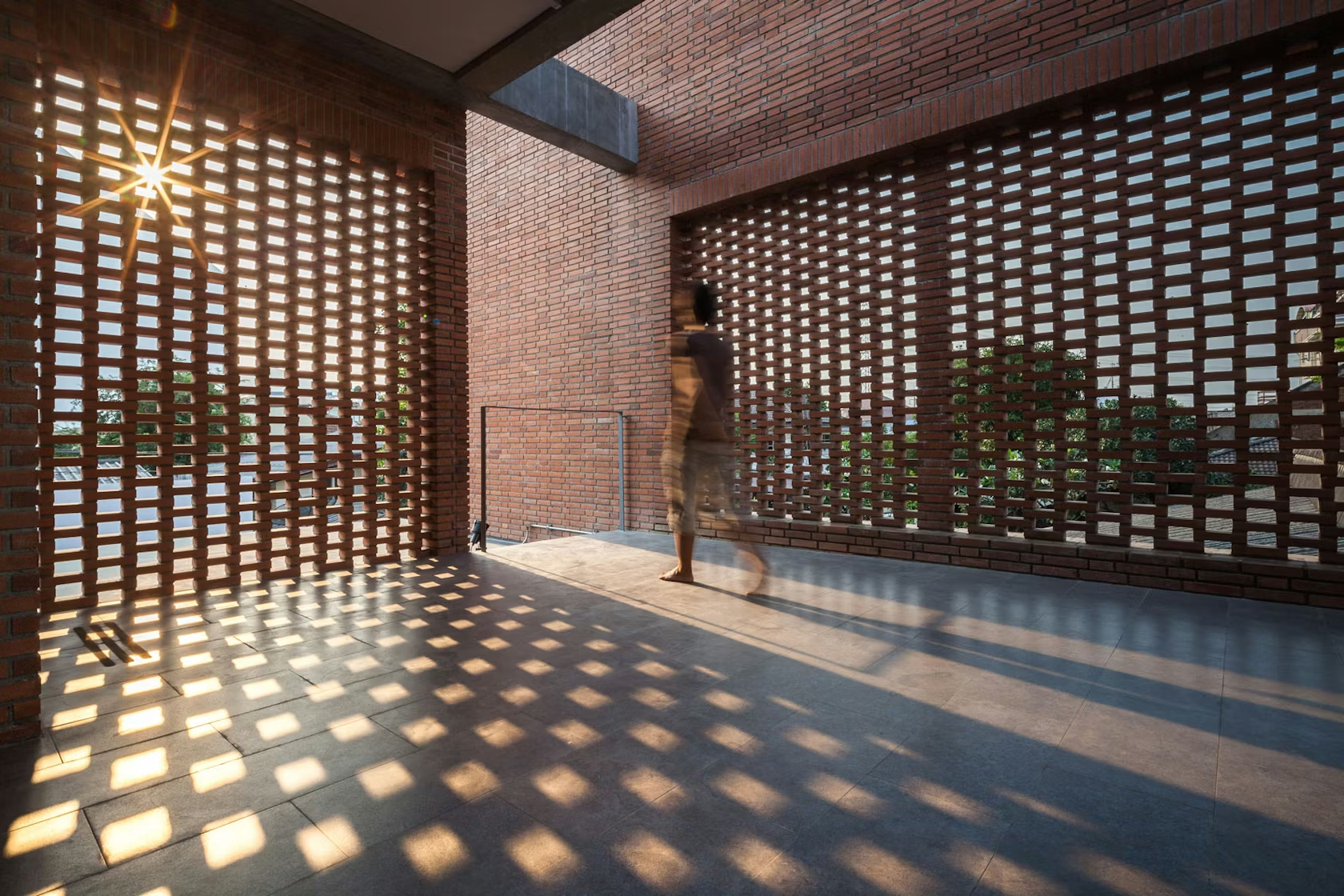
Masonry screen walls have become a popular architectural feature in modern construction, offering a unique combination of functionality, aesthetics, and privacy. Unlike traditional solid walls, masonry screen walls allow light and air to pass through while creating visually striking patterns that enhance the overall design of a building. For contemporary design, these walls serve both decorative and practical purposes, making them a preferred choice for architects and homeowners seeking innovative ways to redefine spaces.
A masonry screen wall is constructed using materials such as concrete blocks, bricks, or stone, arranged in patterns that provide partial transparency. This design approach allows natural light to filter into interior spaces while maintaining a degree of privacy and security. Additionally, the intricate patterns contribute to the architectural character of a property, making the wall both a functional element and an artistic statement.
By exploring innovative masonry screen wall patterns, designers can push the boundaries of traditional construction. The combination of geometric shapes, textures, and spacing techniques allows each wall to serve as a signature feature of a building. Contemporary designs often emphasize minimalism, rhythm, and repetition, creating a dynamic interplay between light, shadow, and structure.
Functional Benefits of Masonry Screen Walls
Beyond their aesthetic appeal, masonry screen walls offer several practical advantages in contemporary design. One key benefit is improved ventilation. The openings in the wall allow air to flow freely, reducing the need for mechanical ventilation in certain areas and contributing to more energy-efficient buildings. This makes masonry screen walls ideal for outdoor patios, garden enclosures, and semi-enclosed interior spaces.
Privacy is another important consideration. The partial transparency of these walls provides a barrier between different zones of a property without completely isolating them. Residents can enjoy outdoor or semi-private areas without sacrificing natural light or a sense of openness. The design flexibility of masonry screen walls allows for customization, ensuring that visual privacy aligns with the intended use of the space.
Masonry screen walls can also improve durability and security. Constructed from solid materials like concrete or brick, these walls withstand environmental elements, resist wear and tear, and offer long-lasting structural support. Unlike decorative fences or partitions, masonry screen walls provide a permanent solution that complements both residential and commercial architecture.
Innovative Patterns in Contemporary Masonry Screen Wall Design
Contemporary masonry screen wall patterns are diverse, ranging from geometric repetitions to organic, free-form designs. Geometric patterns, such as grids, chevrons, or diamond shapes, are popular for creating symmetry and rhythm. These designs often use repetitive block arrangements that allow consistent light penetration while adding visual interest to the façade.
Organic patterns, inspired by natural forms, are gaining popularity in modern architecture. Curved lines, interlocking shapes, and asymmetrical layouts create a softer, more fluid aesthetic. These patterns can evoke a sense of movement, making the wall appear less rigid while still providing structural integrity.
Another innovative approach involves varying the spacing between blocks or using textured surfaces. Alternating gaps or raised surfaces produce dynamic shadows throughout the day, enhancing the interplay of light and creating an ever-changing visual experience. This technique transforms a functional wall into a dynamic art installation that responds to environmental conditions.
Color and material variation can also elevate the design of masonry screen walls. Combining contrasting bricks, stones, or concrete blocks can highlight patterns, create depth, and reinforce contemporary design themes. Materials with reflective or matte finishes can further enhance visual effects, depending on the desired style and context of the building.
Integrating Masonry Screen Walls into Modern Architecture
Masonry screen walls are versatile and can be incorporated into various architectural contexts. In residential projects, they often serve as garden walls, patio enclosures, or façade accents that enhance curb appeal. In commercial settings, they provide aesthetic partitions, decorative screens, and shading elements for offices, hotels, or public spaces.
The integration of masonry screen walls into contemporary architecture requires careful planning. Designers must consider factors such as wall height, thickness, load-bearing requirements, and pattern complexity. Proper engineering ensures that the wall maintains structural stability while achieving the desired visual effect. Additionally, collaboration with skilled masons and contractors is essential for precise execution, particularly for intricate or custom patterns.
Maintenance considerations are also important. Masonry screen walls are generally low-maintenance due to the durability of their materials, but periodic inspection can prevent potential issues such as cracks or water infiltration. Selecting high-quality materials and proper installation techniques ensures longevity and preserves the wall’s aesthetic and functional value over time.
Innovative masonry screen wall patterns offer a unique opportunity to blend artistic expression with practical design solutions in contemporary architecture. By exploring diverse geometries, textures, and materials, designers can create walls that provide light, ventilation, privacy, and visual interest. Whether in residential or commercial projects, masonry screen walls serve as functional, durable, and aesthetically striking elements that elevate modern building design.
